How do you make a decaf coffee?
Decaffeinated coffee does not lose its essence: it simply goes through a process that eliminates caffeine without erasing its taste. Here we explain how it is achieved and why it remains a good cup.
How do the levels of tweets influence the taste and aroma of coffee?
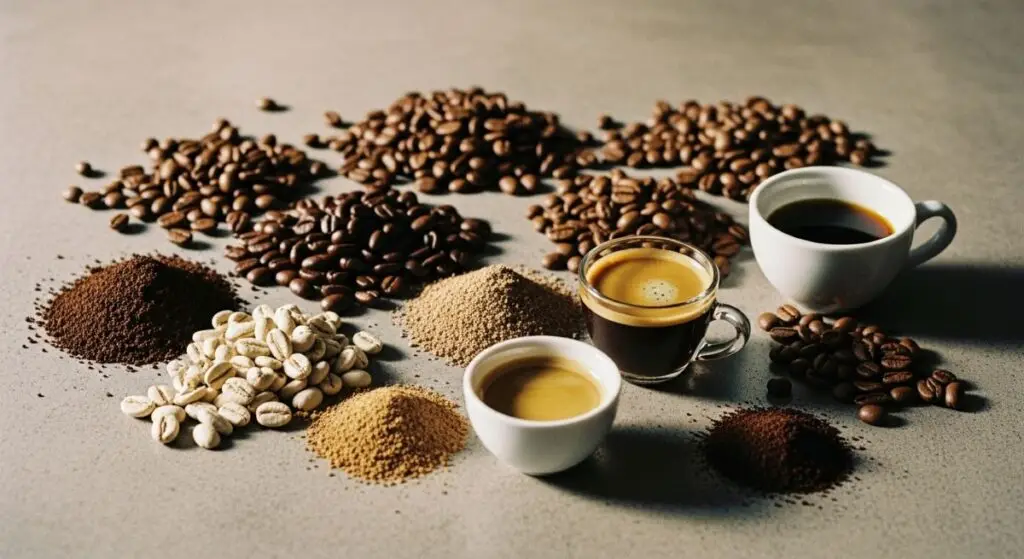
Tueste is a magical transformation: it defines the character, intensity, sweetness and even the fragrance of coffee. Each level of tostion molds the flavors and flavors that reach your cup. Here we tell you how.
Why does the amount of caffeine vary between different types of coffee?
Caffeine is not the same in all cups. Its concentration changes according to the grain species, the method of preparation, the type of tostion and even the size of the milling. Here we tell you why your coffee can wake up more... or less.
Can a mixing coffee be of origin? The truth behind this common confusion
Many consumers assume that a mixture can be considered "of origin," but in fact both concepts are different. In this guide we clarify why a mixing coffee cannot be of origin, how these terms are defined and what each implies in the quality and traceability of the coffee.
Can a coffee mix be of specialty? The answer that surprises many
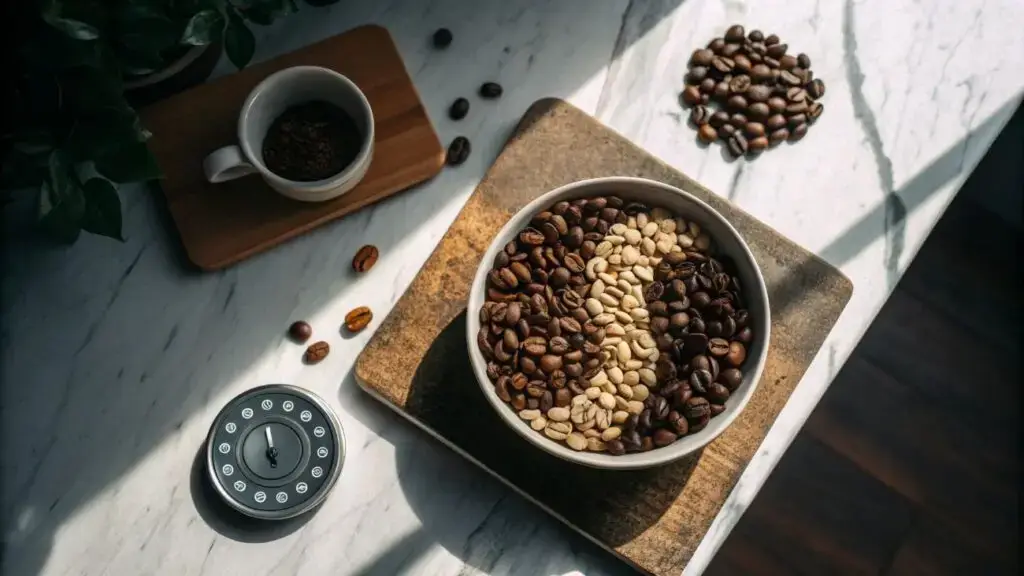
Although it is believed that only home cafes can be of specialty, blends can also reach this category. In this article we clarify when a mixture can be considered as a specialty, how its quality is assessed and what the difference in traditional commercial mixtures is.
Can a coffee of origin be of specialty? The key difference that all must understand
Many consumers confuse home coffee with specialty coffee, but they are not the same. In this article we explain when a coffee of origin can be considered a specialty, what difference to each concept and why both influence the final quality of the cup.

